Single Drawn vs Double Drawn Hair: Whats The Difference?
Posted by Human Hair Supplies on 23rd Oct 2026
Single Drawn vs Double Drawn Human Hair: What’s the Difference?
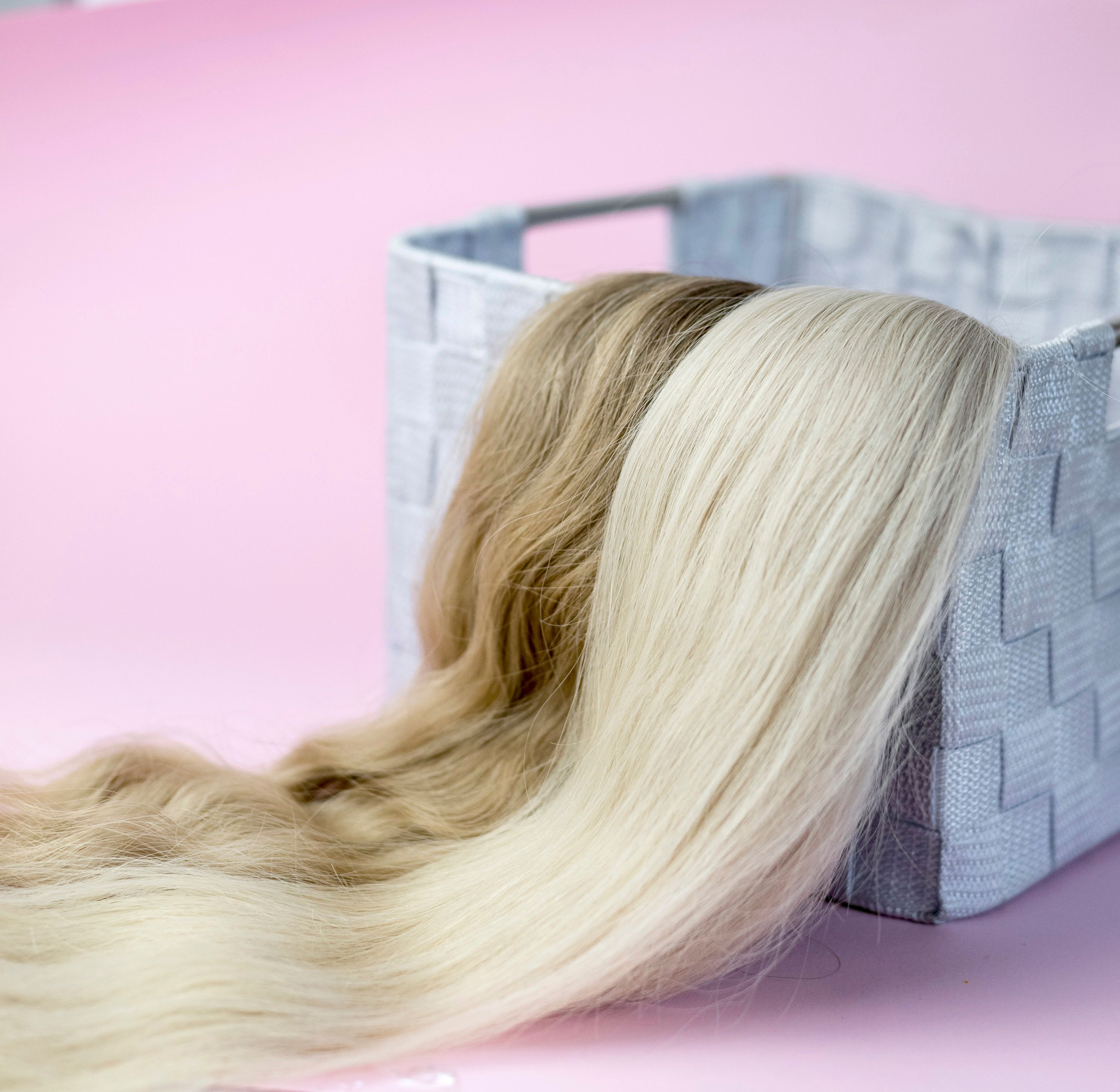
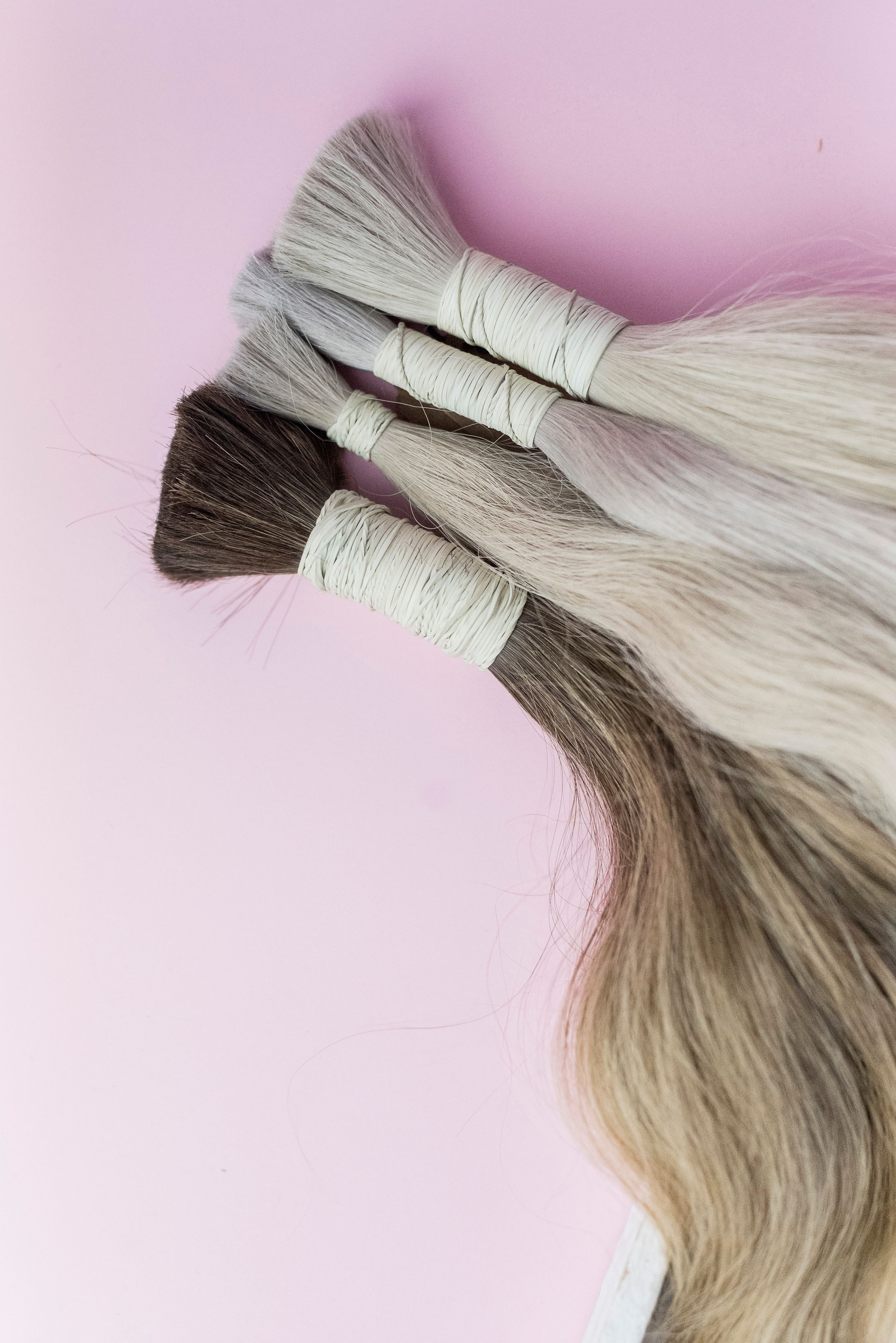
When shopping for human hair extensions, wefts, or bundles, you’ve probably seen the terms "single drawn" and "double drawn" hair.
These labels don’t refer to the quality of the hair itself (such as whether it’s Remy or virgin hair), but to how the individual strands are sorted and arranged by length.
Understanding the difference helps you choose the right product for the look, volume, and style your clients want.
What Is Single Drawn Hair?
Single drawn hair keeps a natural mix of strand lengths, similar to how hair grows on a real head. In a typical single drawn bundle, roughly 50–70% of the strands reach the full advertised length, while the rest are shorter.
This creates a gradual taper: the hair is fullest near the weft or roots and becomes lighter and softer toward the ends. The result is a natural, layered appearance that blends easily and feels lighter on the head.
Single drawn hair is usually more affordable because less sorting is required during production.
It’s an excellent choice for everyday looks, fine-to-medium hair, and temporary methods such as clip-ins.
It is also preffered when the length of a persons natural hair is being extended 6+ inches, as the hair extensions need to be layered, for blending them to the clients natural hair length.
What Is Double Drawn Hair?
Double drawn hair goes through a more meticulous sorting process.
Shorter strands are carefully removed so that a higher percentage of the hair—typically 70–80% or more—reaches close to the full stated length.
Because most strands are similar in length, the hair maintains consistent thickness and density from root to tip. The ends are more blunt rather than wispy, giving a thicker, more uniform, and glamorous finish.
The extra processing requires more raw hair and labour, which is why double drawn hair extensions cost more.
Side-by-Side Comparison:
|
Feature
|
Single Drawn Hair
|
Double Drawn Hair
|
|---|---|---|
|
Strand length uniformity
|
50–70% full length
|
70–80%+ full length
|
|
Ends
|
Naturally layered and lighter
|
Full and blunt
|
|
Overall look
|
Soft, layered, natural
|
Thick, uniform, polished
|
|
Weight & density
|
Lighter, more concentrated at roots
|
Heavier, even density throughout
|
|
Price
|
More affordable
|
More expensive
|
|
Best for
|
Natural blends, everyday wear, fine/medium hair
|
Maximum volume, blunt haircuts
|
Which Should You Choose?
Neither option is automatically better—it depends on the desired result.
A proper consult with a qualified stylist is best for determining your needs, in regards to density, thickness and your desired hairstyle.
Choose single drawn if you want a soft, natural taper that mimics real hair and real hair growth, prefer a lighter feel, or are working within a tighter budget.
Choose double drawn when your aiming for a blunt haircut, need maximum fullness at the ends or a sleek high-density finish.
Many stylists use both and match the product to each client’s hair type, lifestyle, and style goals.
At Human Hair Supplies we focus on single drawn remy human hair extensions, however custom ordering of double drawn human hair extensions is available for our approved wholesale customers on request (minimum order quantities apply)...