
Remy vs Non-Remy Human Hair: Whats the Difference?
Posted by Human Hair Supplies on 23rd Oct 2026
Remy vs Non-Remy Human Hair: Whats the Difference?
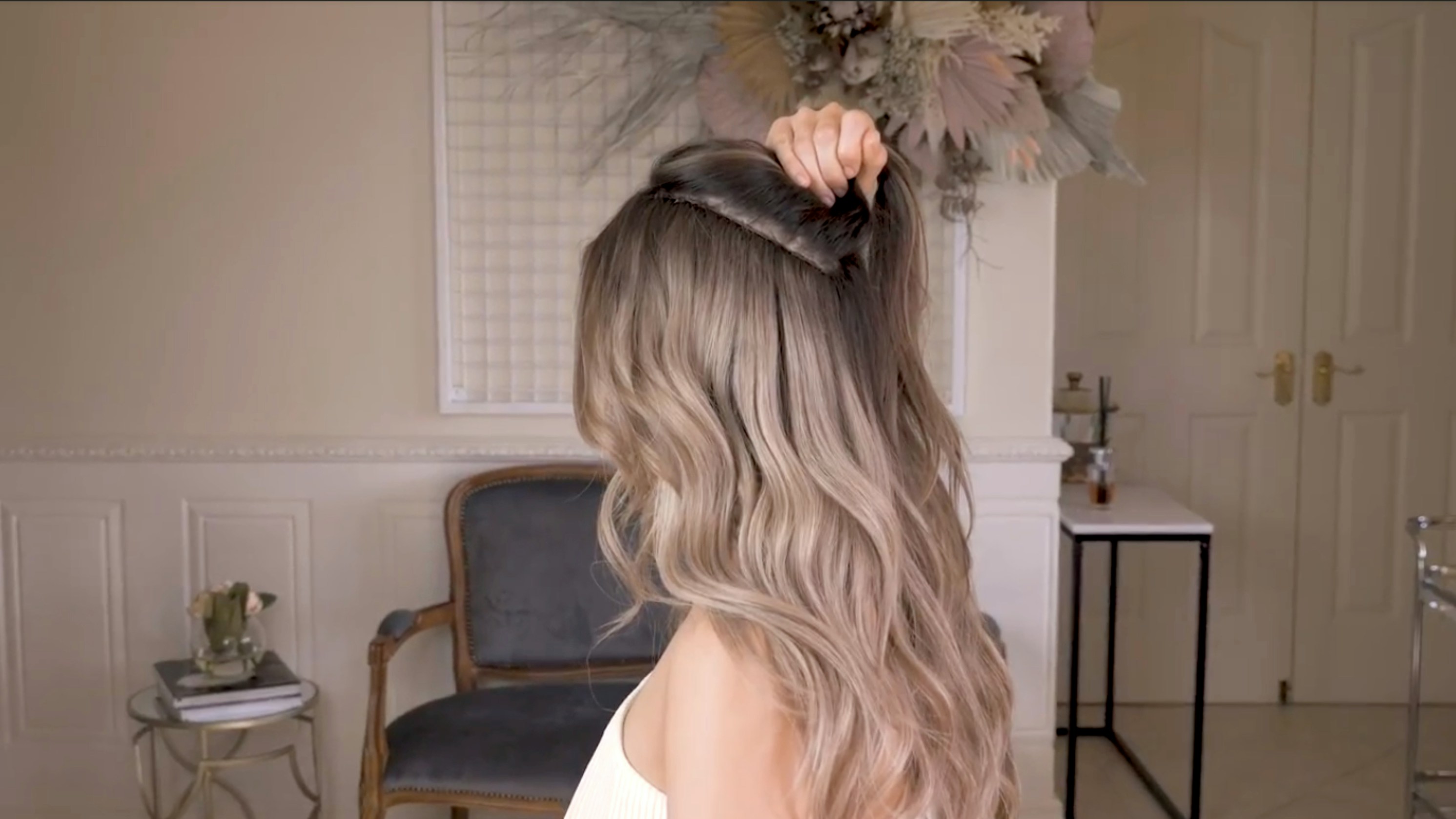
If you’ve shopped for human hair extensions, human hair wefts, or wigs, you’ve almost certainly seen the term “Remy” (sometimes written as “Remi”).
It’s one of the most important quality indicators in the industry — yet it’s also one of the most misunderstood.
Understanding the difference between Remy and non-Remy human hair helps you choose products that look better, last longer, and perform more like natural hair.
What Is Remy Hair?
Remy hair is 100% human hair that has been carefully collected and processed so that the cuticles (the outer protective layer of each hair strand) remain intact and all cuticles point in the same direction — from root to tip.
This alignment is key for producing quality human hair extensions and wigs which last and remain in good condition over time.
When the cuticles all face the same way, the strands glide smoothly against each other instead of catching and creating friction or knotting.
As a result, Remy hair is:
- Significantly less prone to tangling and matting
- Soft and naturally shiny
- More resistant to hair breakage
- Longer-lasting (typically 9–18 months or more with proper care)
- Easier to style, colour, and maintain
Because the cuticles stay healthy and aligned, Remy hair behaves much more like the hair growing on a person’s head.
What Is Non-Remy Hair?
Non-Remy hair is also human hair, but the cuticles are either mixed in different directions or have been chemically stripped away, completely.
The outcome and longevity of non-remy hair will vary depending on how the hair was processed and whether the cuticle layer has been removed completely, or remnants of the cuticle layer remain on the hair strands.
Non-remy hair is the result of human hair being collected from multiple sources (salon floors, brushes, or mixed batches) without preserving the natural root-to-tip orientation which keeps the cuticles aligned.
Without aligned cuticles, the hair strands rub against each other roughly and if the cuticle has not been stripped completely, this can cause the hair strands to knot or matt together.
Manufacturers often coat non-Remy hair with silicone or other coatings to make it feel soft and shiny when new.
Once those coatings wash off, the hair can become dry, tangled, and difficult to manage.
Non-Remy hair is more affordable upfront than remy hair, but it generally has a much shorter usable lifespan — often only a few weeks to a few months of good wear.
Well processed non-remy hair can generally last a maximum of 6 months, before it becomes un-usable.
Side-by-Side Comparison:
|
Feature
|
Remy Hair
|
Non-Remy Hair
|
|---|---|---|
|
Cuticle condition
|
Intact and aligned root-to-tip
|
Mixed directions or chemically stripped
|
|
Tangling & matting
|
Minimal with proper care
|
Frequent, especially after washing
|
|
Shine & softness
|
Natural and longer-lasting
|
Often artificial (silicone coating that washes off over time)
|
|
Lifespan (with care)
|
9–12+ months
|
Usually a few weeks to 2–3 months, with a maximum of 6 months use.
|
|
Styling versatility
|
Excellent – heat & colour friendly
|
Limited – more fragile and becomes brittle
|
|
Price
|
Higher
|
More affordable
|
|
Overall quality feel
|
Premium, natural, salon-grade
|
Budget / short-term use
|
Which Should You Choose?
There is no right or wrong choice, your choice will depend on your needs and the way the human hair is being applied, or the method of application.
Choose Remy hair if you want professional results, longevity, and hair that stays beautiful wash after wash for an extended period of time.
Choose Remy hair if the attachment method is semi permanent, such as tape hair extensions, sew-in wefts and butterfly wefts.
It’s the clear preference for most stylists and clients who invest in quality human hair extensions or wefts which are worn daily, for extended periods of time.
Non-Remy hair can work for short-term or budget-conscious needs, but it requires more maintenance and will need replacing much sooner.
If hair extensions are being purchased solely to be used sporadically, such as for a wedding or another special event, non-remy hair may be sufficient for meeting the clients needs and reducing the cost.
It’s also worth noting that “Remy” is not the same as “virgin.”
Virgin hair means the hair has never been chemically processed or proffessionally treated (no colour or chemical treatments on the donor). It is also called raw hair.
Both Remy and Non-Remy hair can be virgin hair, or non-virgin hair which has been proffessionally processed and chemically treated.
At Human Hair Supplies we specialise in high-quality human hair extensions that deliver the performance professionals expect. Our hair extensions are generally made from Single Drawn Russian Remy Human Hair or Single Drawn Indian Remy Human Hair.
We offer custom ordering to our approved wholesale customers with minimum order quantities for other hair types such as double drawn hair and non-remy hair.

Image Credit: Yovanka Loria Salon